
How Google AI Search Changes SEO and What Businesses Should Do Next
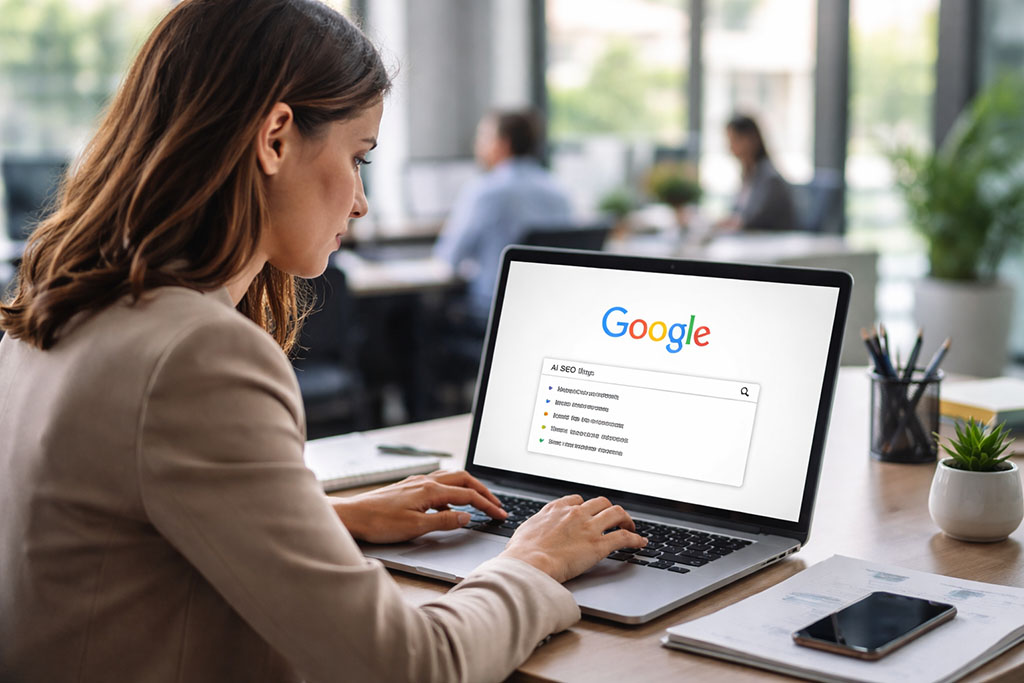
Google search is evolving fast, and the biggest shift for businesses is not a new ranking factor, it is the search experience itself. As AI-generated summaries and richer search features become more common, many users get answers without clicking through to websites. For brands that rely on organic traffic, that can mean fewer visits even when rankings hold steady. The opportunity is still there, but it is shifting, businesses that win will treat SEO as visibility, trust, and conversion, not only getting to page one.
For digital marketing teams, the practical impact is a change in click behavior and content expectations. When AI summaries appear above traditional listings, users may only click if your page looks like the best next step, more detailed, more credible, or more actionable than the summary. That puts more weight on content that demonstrates real expertise, original insights, clear step-by-step guidance, local proof like photos, case studies, reviews, and specific answers to high-intent queries. It also increases the value of being referenced across the web through brand mentions, reputable citations, and consistent business information, because trust signals matter when search engines assemble condensed answers.
So what should businesses do right now? First, double down on intent-driven content, build pages that match what customers want at each stage, research, comparison, and buying. Strengthen on-page SEO fundamentals with descriptive headings, internal linking to related services, FAQs that mirror customer questions, and schema where it makes sense, such as Organization, LocalBusiness, FAQ, and Service. Second, create clear reasons to click that AI summaries cannot fully replace, including pricing guidance, checklists, local availability, before-and-after examples, troubleshooting workflows, and concise comparison tables. Third, ensure your website turns the traffic you do earn into leads with fast load times, clear calls to action, and landing pages aligned to each service area or offer.
This is also where smart use of AI tools like ChatGPT or Claude can help, if you use them responsibly. AI can speed up research, outlines, variations, and optimization ideas, but it should not be the final authority on facts, claims, or compliance. For client-facing marketing, the goal is consistency and accuracy, use AI to draft, then validate details, add client-specific nuance, and keep brand voice consistent. Most importantly, build platform-specific prompt templates for blog briefs, meta descriptions, Google Business Profile posts, ad angles, and FAQs, because output quality depends more on the prompt and review process than the tool name.
The bottom line is that as Google search becomes more AI-assisted, businesses should not panic or chase shortcuts. The winning strategy is to publish genuinely helpful content, strengthen authority signals, and optimize for visibility and conversion together. If you want help adapting your SEO and content strategy to the new search landscape without sacrificing brand trust, Hogan Media Group can build the plan, the content system, and the lead-focused pages that turn modern search behavior into measurable revenue.